





No products in the cart.
Peptide Research and Mechanisms: Understanding How Peptides Influence Biological Processes
Peptide research and mechanisms. Peptides act as biological messengers that regulate communication between cells, tissues, and organ systems.
Table of Contents
Introduction
Peptides have become one of the most exciting areas of modern biomedical research. As scientific understanding of cellular communication continues to advance, researchers are increasingly investigating how specific peptides interact with receptors, signaling pathways, and biological systems.
With over 16 years of involvement in peptide research manufacturing, sourcing, testing, and distribution, the team at NovaSynLabs has witnessed significant advancements in the field. Throughout this period, one lesson has remained consistent: understanding a peptide’s mechanism of action is just as important as understanding the peptide itself.
This article explores peptide research mechanisms, common misconceptions, quality considerations, and future developments shaping this rapidly evolving field.
What Are Peptides?
Peptides are short chains of amino acids linked by peptide bonds. They function as signaling molecules that help regulate countless biological activities including cellular growth, metabolism, tissue repair, immune responses, neurological communication, and hormone regulation.
Researchers are increasingly interested in peptides because they can target specific biological pathways with remarkable precision compared to many traditional compounds.
Understanding the Building Blocks
| Characteristics | Peptides | Proteins |
| Size | 2-50 amino acids | 50+ amino acids |
| Complexity | Relatively simple | Highly complex |
| Function | Signaling and regulation | Structural and functional |
| Research Focus | Cellular communication | Broad biological roles |
Visualizing Peptide Structure
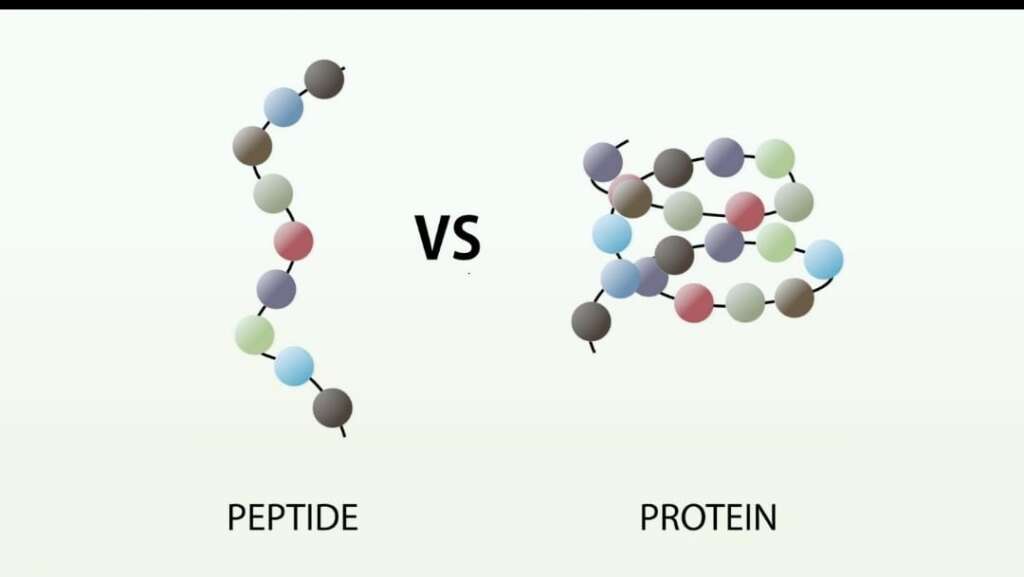
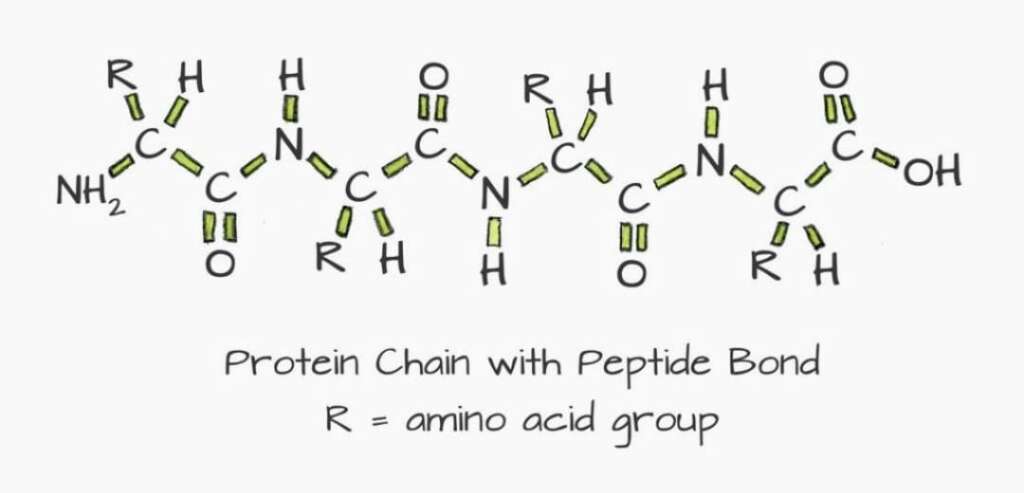
Peptides consist of amino acid chains that carry information throughout biological systems.
How Peptides Work
One of the biggest misconceptions in peptide research is assuming all peptides function the same way.
In reality, every peptide possesses a unique mechanism of action.
The biological process generally follows four steps:
Step 1: Introduction
The peptide enters the biological environment.
Step 2: Recognition
The peptide encounters specific cellular receptors.
Step 3: Signaling
Receptor activation initiates intracellular signaling pathways.
Step 4: Response
The cell modifies its behavior according to the signal received.
Peptide Signaling Process
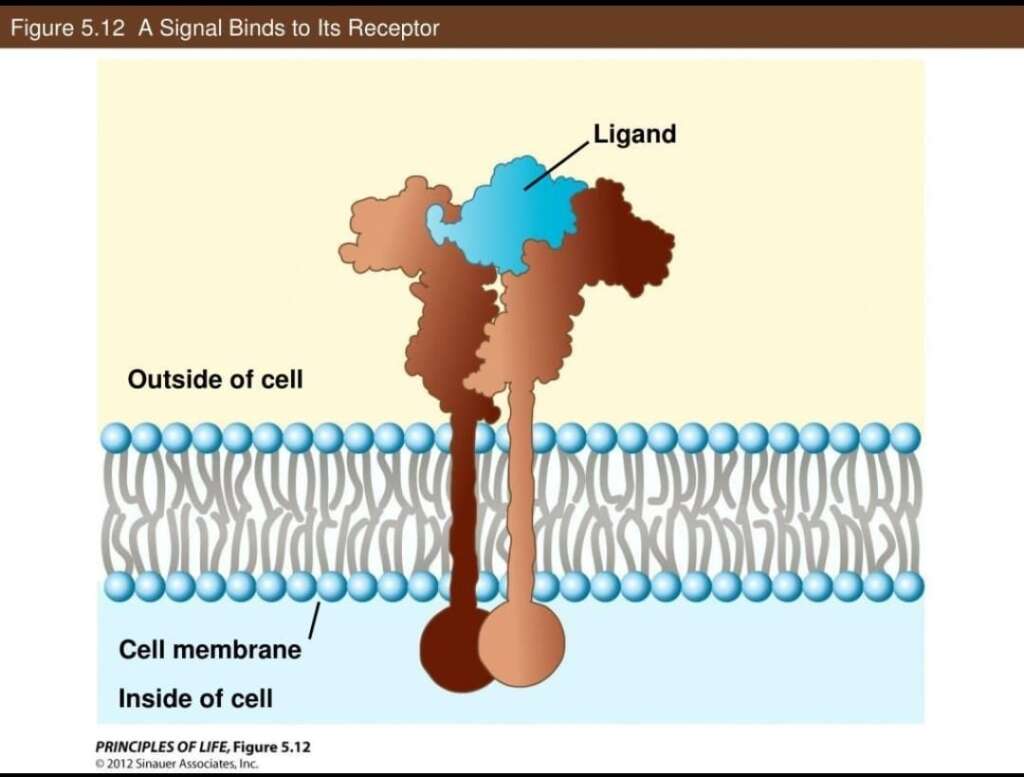
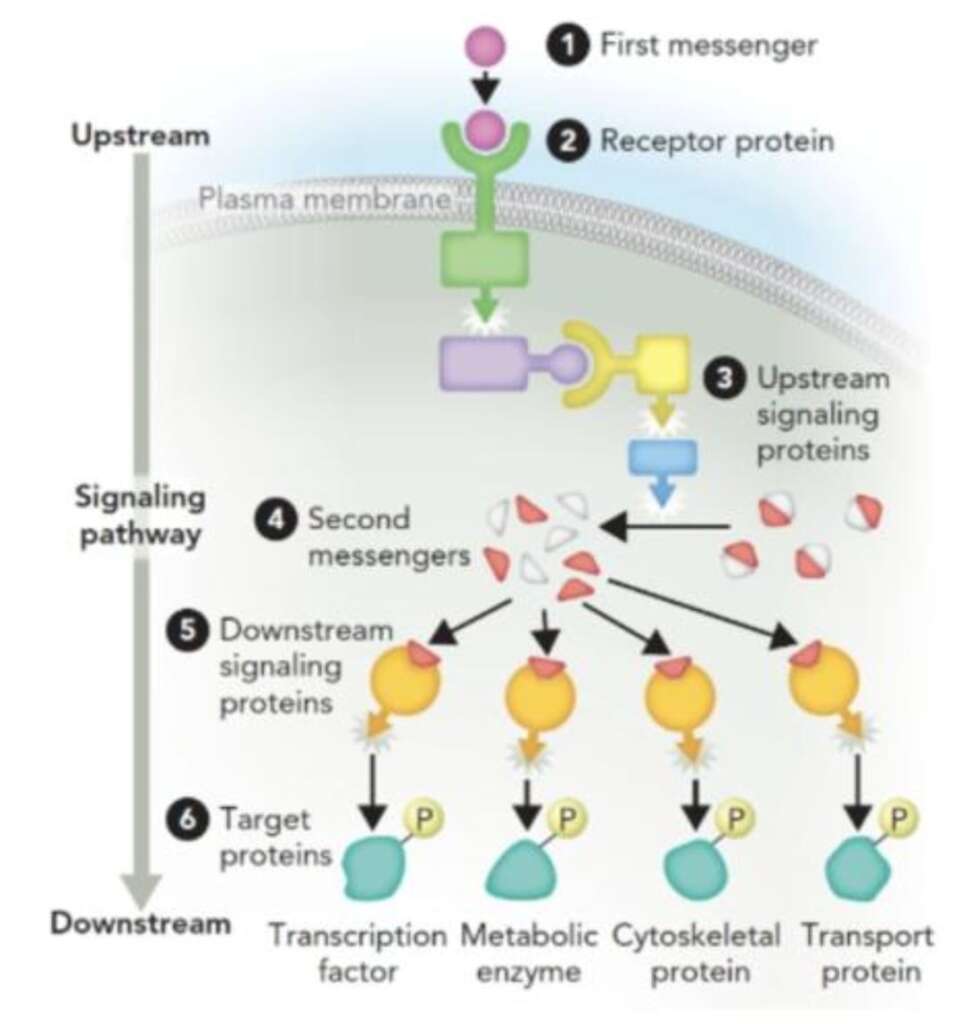
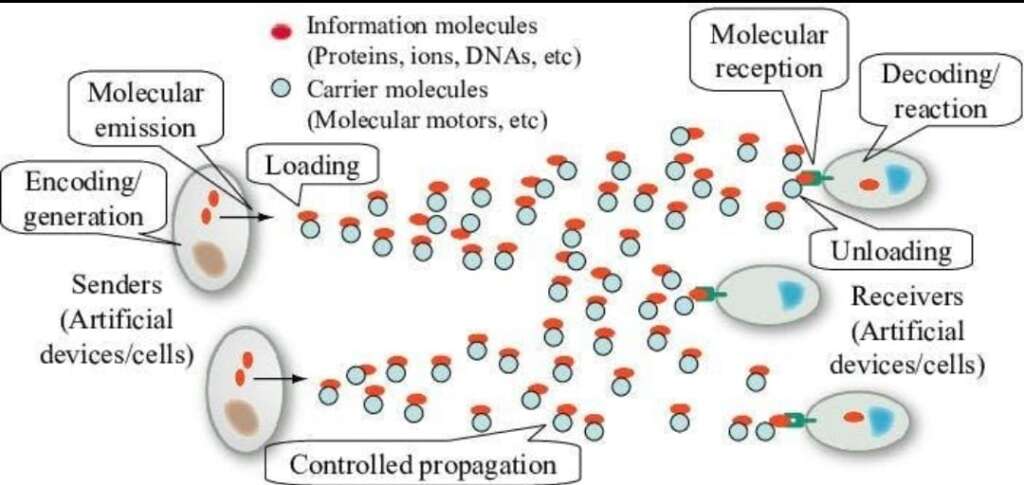
Peptides influence cellular behavior through receptor-mediated signaling pathways.
Understanding Receptor Interactions
Think of receptors as locks and peptides as keys.
Only specific peptides can activate specific receptors.
This receptor specificity explains why:
- BPC-157 behaves differently than TB-500.
- Semaglutide behaves differently than MOTS-c.
- GHK-Cu behaves differently than Selank.
Understanding receptor biology is fundamental to successful research design.
Receptor Interaction Table
| Peptide | Primary Research Focus | Mechanism Category |
| BPC-157 | Tissue repair | Cellular signaling |
| TB-500 | Cell migration | Actin regulation |
| CJC-1295 | Growth hormone pathways | Receptor stimulation |
| Ipamorelin | Growth hormone release | Ghrelin receptor activity |
| Semaglutide | Metabolic regulation | GLP-1 receptor agonism |
| Tirzepatide | Metabolic regulation | Dual receptor activity |
| MOTS-c | Energy metabolism | Mitochondrial signaling |
| SS-31 | Mitochondrial function | Mitochondrial targeting |
Major Categories of Research Peptides
Regenerative Peptides
Examples:
Researchers study these peptides for their potential involvement in repair-related biological processes.
Metabolic Peptides
Examples:
- Semaglutide
- Tirzepatide
- Retatrutide
These peptides are primarily investigated for metabolic signaling and energy regulation.
Cognitive Peptides
Examples:
Researchers investigate these compounds for neurological and neurochemical pathways.
Mitochondrial Peptides
Examples:
- MOTS-c
- SS-31
These peptides are generating interest because of their relationship with cellular energy production.
Case Study #1: BPC-157 and Tissue Repair Research
One of the most extensively discussed peptides in regenerative research is BPC-157.
Researchers studying tendon-to-bone healing models have investigated:
- Collagen organization
- Fibroblast migration
- Angiogenesis
- Tissue remodeling
- Cellular survival pathways
Research Findings
| Area Investigated | Observed Effect |
| Fibroblast migration | Increased movement |
| Angiogenesis | Enhanced vascular development |
| Collagen organization | Improved structure |
| Cellular survival | Enhanced signaling |
It is important to note that most findings originate from animal and cell-based studies.
Tissue Repair Visualization
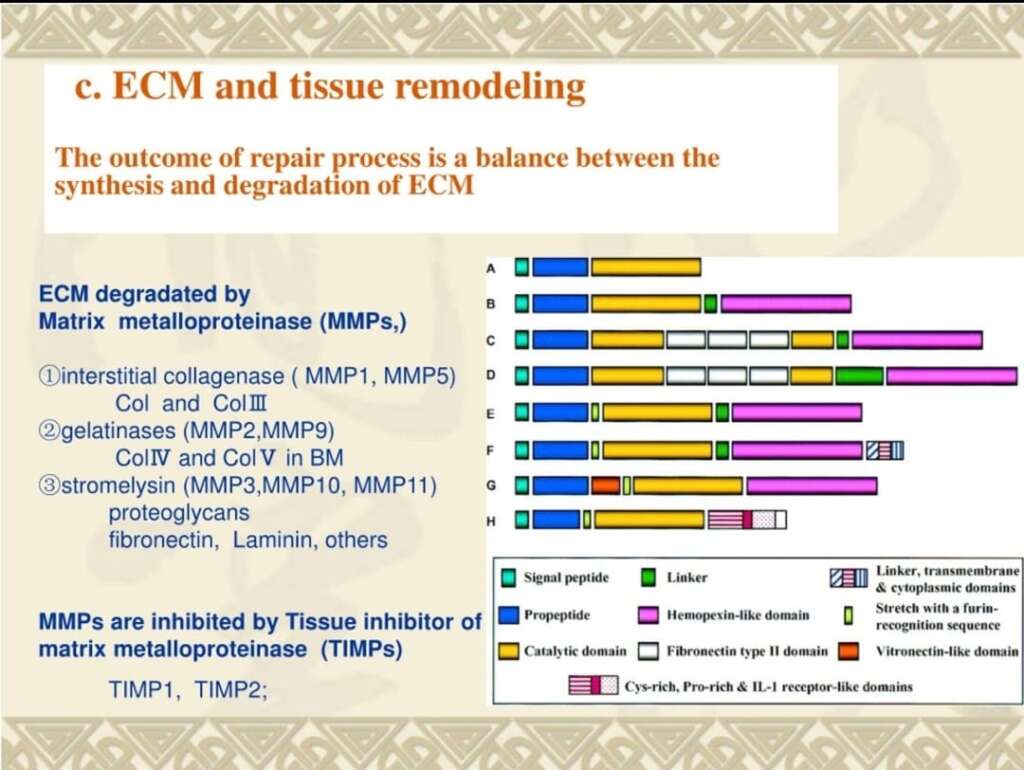
Case Study #2: GLP-1 Research and Metabolic Signaling
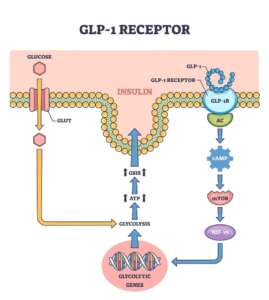
GLP-1 represents one of the most significant discoveries in metabolic biology.
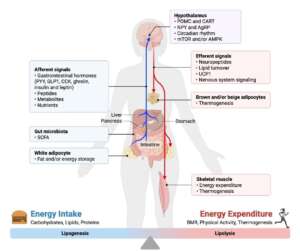
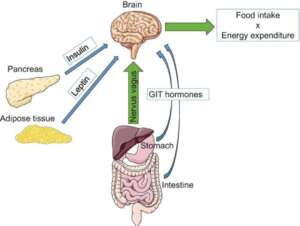
Researchers identified GLP-1 as a messenger connecting multiple systems:
| System | Function |
| Gut | Nutrient sensing |
| Pancreas | Insulin regulation |
| Brain | Appetite signaling |
| Liver | Glucose management |
| Muscle | Energy utilization |
This research laid the foundation for compounds such as Semaglutide and Tirzepatide.
Metabolic Signaling Illustration
GLP-1 signaling connects multiple biological systems involved in energy balance.
Why Purity Testing Matters
After more than 16 years in peptide research and distribution, one of the most common causes of unreliable research remains poor product quality.
Researchers frequently encounter:
- Impurities
- Incorrect labelling
- Improper storage
- Inconsistent manufacturing
Challenges Facing Modern Peptide Research
Despite rapid advancements, researchers still face several obstacles:
Storage Issues
Peptides can be sensitive to environmental conditions, making proper storage essential.
Reconstitution Mistakes
Improper preparation techniques can affect stability and experimental consistency.
Supplier Variability
Product quality differences between suppliers remain a significant concern.
Reproducibility Challenges
Ensuring consistent results across different laboratories continues to be a major scientific objective.
Addressing these challenges requires rigorous protocols and quality control standards.
Advice for New Researchers
For those entering peptide research, several best practices can improve research quality:
- Clearly define research objectives before selecting peptides.
- Understand the biological mechanisms being investigated.
- Use high-purity laboratory-grade materials.
- Verify product quality through analytical testing.
- Follow established handling and storage procedures.
- Respect experimental dosing protocols.
- Maintain detailed research records.
Successful peptide research depends on preparation, consistency, and scientific discipline.
Quality Verification Methods
| Testing Method | Purpose |
| HPLC | Measures Purity |
| Mass Spectrometry | Confirms molecular identity |
| Third-party testing | Independent verification |
| Stability Studies | Determines degradation profile |
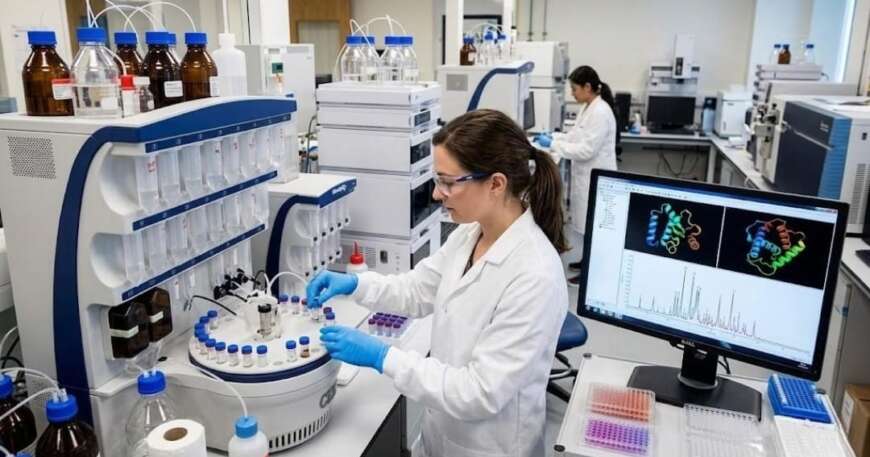
Laboratory Testing Image
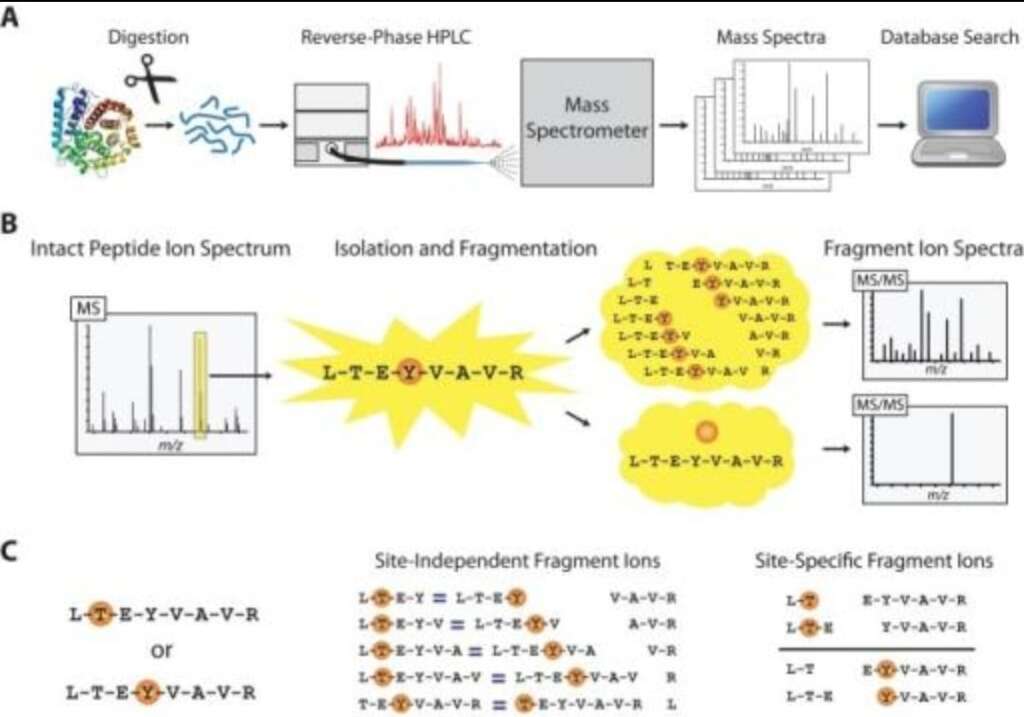

Analytical testing helps verify peptide identity, purity, and consistency.
Storage and Stability Considerations
Storage errors are among the most overlooked factors affecting research outcomes.
Best Practices
| Factor | Recommendation |
| Temperature | Follow product specifications |
| Moisture | Keep dry |
| Light exposure | Protect from direct light |
| Reconstitution | Follow validated procedures |
| Handling | Minimize contamination |
Proper storage helps maintain peptide integrity and experimental reliability.
Common Misconceptions in Peptide Research
Myth 1
All peptides work the same way.
Reality
Each peptide has unique receptor interactions and signaling mechanisms.
Myth 2
Higher doses produce better results.
Reality
biological systems often respond within specific ranges.
Myth 3
Weight-management peptides work independently.
Reality
Metabolism involves numerous interconnected physiological systems.
The Future of Peptide Research and Mechanisms
The future of peptide science is exceptionally promising.
Several emerging areas are attracting significant attention:
Precision Medicine
Researchers are exploring increasingly personalized approaches to biological interventions.
Targeted Delivery Systems
Future technologies may improve peptide delivery accuracy while minimizing unwanted interactions.
Mitochondrial Peptides
Peptides such as MOTS-c and SS-31 have generated interest because of their potential roles in mitochondrial biology and cellular energy regulation.
Advanced Peptide Engineering
Innovations in computational biology and peptide design are expanding possibilities for future research applications.
As scientific knowledge continues to evolve, peptides are expected to remain at the forefront of biomedical innovation.
Future of Peptide Science
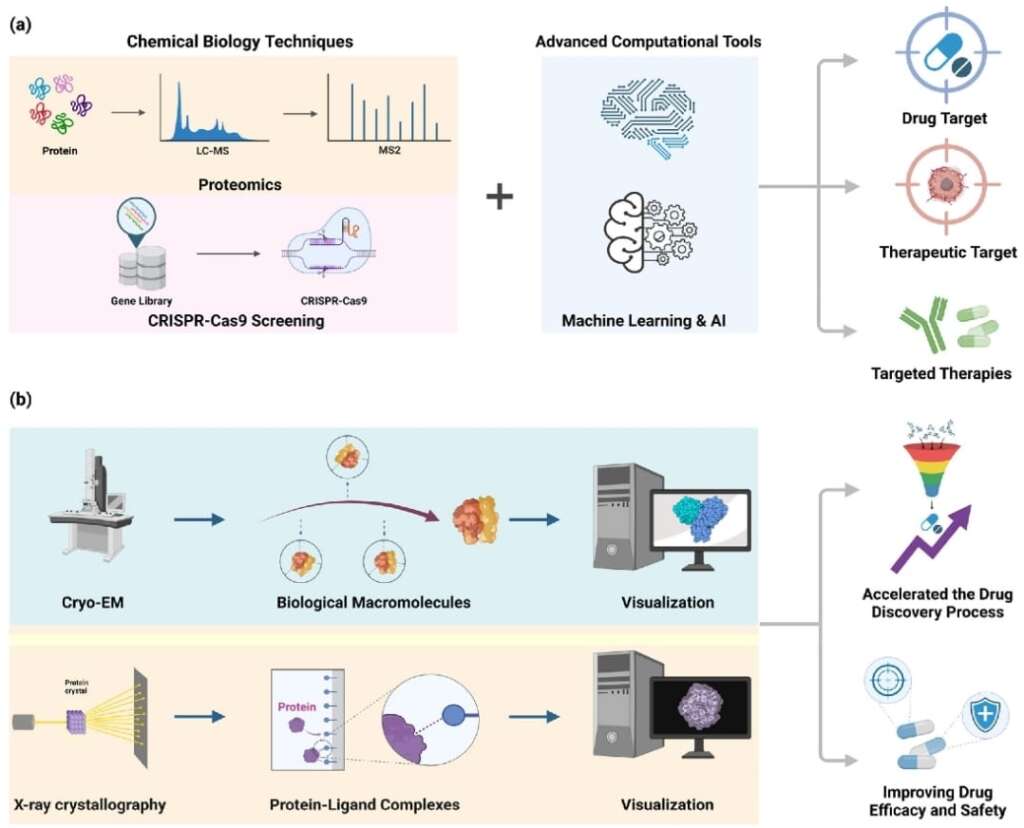
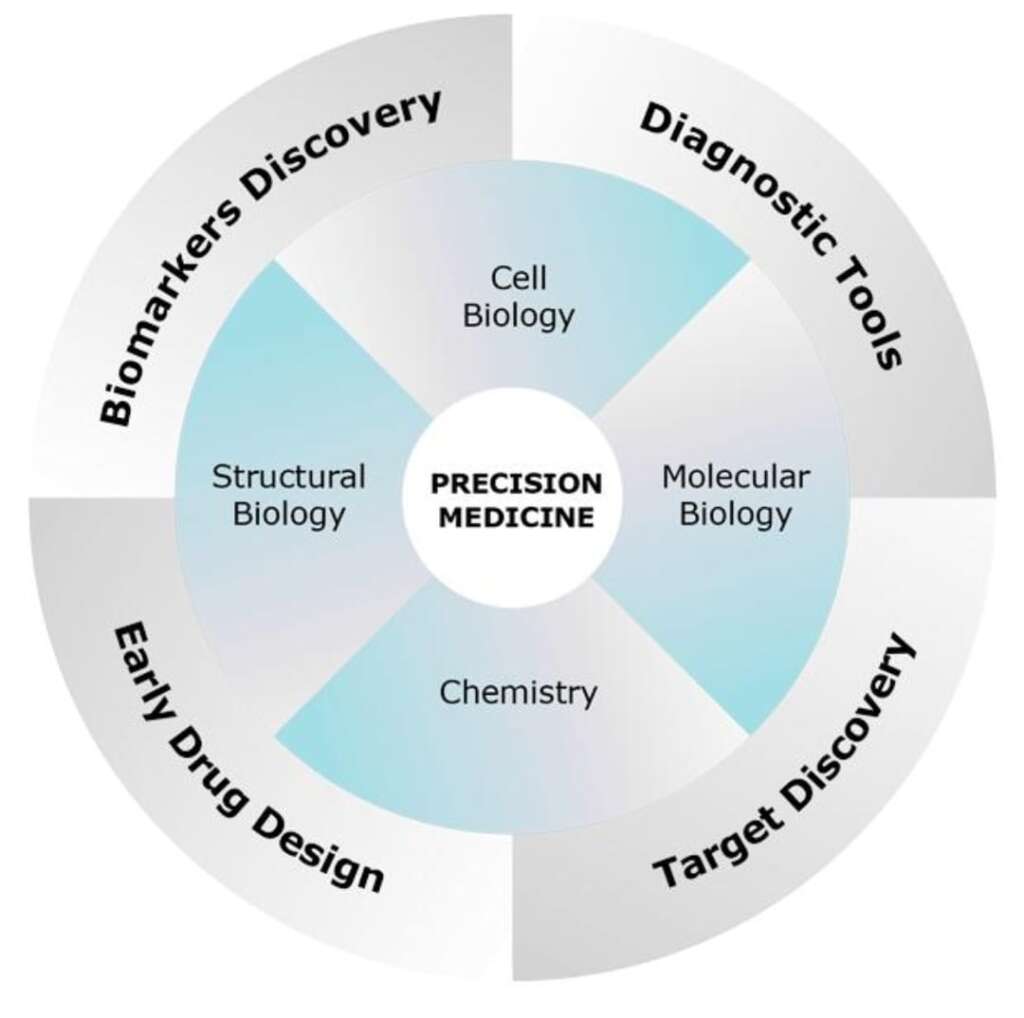
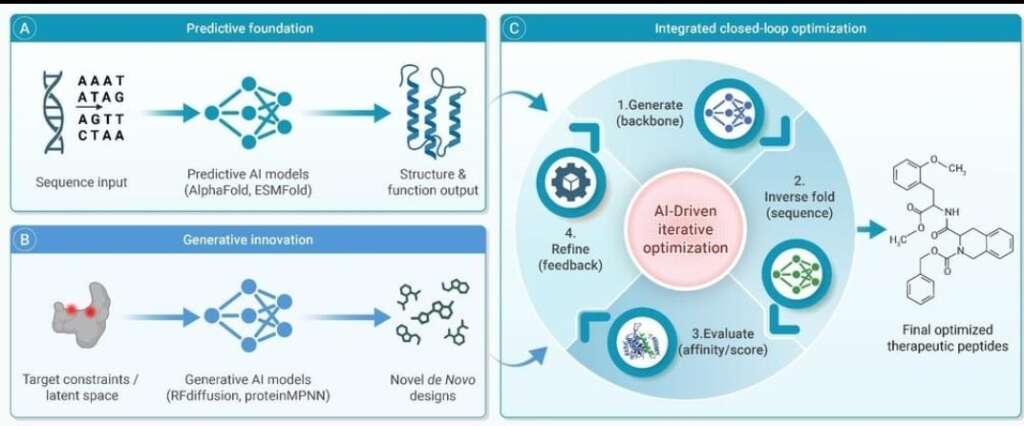
Emerging technologies are expanding the possibilities of peptide research.
NovaSynLabs Perspective
With over 16 years of experience in peptide research, sourcing, manufacturing, testing, and distribution, NovaSynLabs believes scientific progress depends on three foundational principles:
- Research Integrity
- Product Quality
- Mechanistic Understanding
Researchers who understand not only what a peptide does, but how it works, are better positioned to generate meaningful and reproducible results.
Conclusion
Peptide research represents one of the most dynamic fields in modern science. Understanding mechanisms of action, receptor interactions, signaling pathways, and product quality is essential for producing reliable and meaningful research outcomes.
After more than 16 years in peptide research, manufacturing, sourcing, testing, and distribution, one principle remains clear: research integrity must always come first.
High-quality materials, rigorous testing, and a deep understanding of biological mechanisms provide the foundation for scientific progress. As the field continues to evolve through precision medicine, targeted delivery systems, and mitochondrial research, the future potential of peptides remains immense.
For researchers, the goal should never be simply to study peptides—it should be to understand how and why they work.
Continue Your Research
- Browse our peptide catalog to explore our laboratory-grade research compounds.
- Read our educational articles covering peptide categories, reconstitution, and quality standards.
- Contact the NovaSynLabs support team if you have questions about peptide research and mechanisms.
- Visit our homepage to discover why researchers worldwide have trusted NovaSyn Labs for over 16 years.
References


Popular Comments
contact@novasynlabs.com
hello
contact@novasynlabs.com
hbsdlkuoalen;avjbwehjc ,sjdclw