



No products in the cart.
How Do Peptides Influence Cellular Aging Pathways? | Complete Guide (2026)

Table of Contents
How Do Peptides Influence Cellular Aging Pathways?
Cellular aging is a complex biological process involving gradual changes in how cells grow, repair themselves, produce energy, and respond to environmental stress. Rather than being driven by a single mechanism, aging results from the interaction of multiple signaling pathways that regulate metabolism, inflammation, DNA maintenance, mitochondrial health, and tissue repair.
Research peptides have attracted increasing scientific interest because many appear to interact with these pathways in laboratory settings. While different peptides act through distinct biological mechanisms, researchers are investigating whether certain peptides may influence processes such as oxidative stress, autophagy, mitochondrial function, stem cell signaling, cellular senescence, and telomere biology.
As a laboratory peptide supplier since 2000, NovaSyn Labs has observed a significant shift in research priorities. Scientists are increasingly exploring combinations of peptides that target complementary cellular pathways rather than focusing on a single biological mechanism. Interest has grown particularly in mitochondrial peptides, senescence-targeting compounds, and peptides associated with healthy aging research.
This article explores the science behind these pathways and examines how commonly studied research peptides interact with them based on current experimental evidence. Unless otherwise noted, discussion is limited to research contexts and should not be interpreted as evidence of established clinical efficacy.
Why Cellular Aging Is More Than “Getting Older”
Every second, millions of cells divide, repair damage, communicate with neighboring cells, and generate energy. Over time, accumulated stress, DNA damage, inflammation, and declining mitochondrial efficiency reduce the ability of cells to maintain normal function.
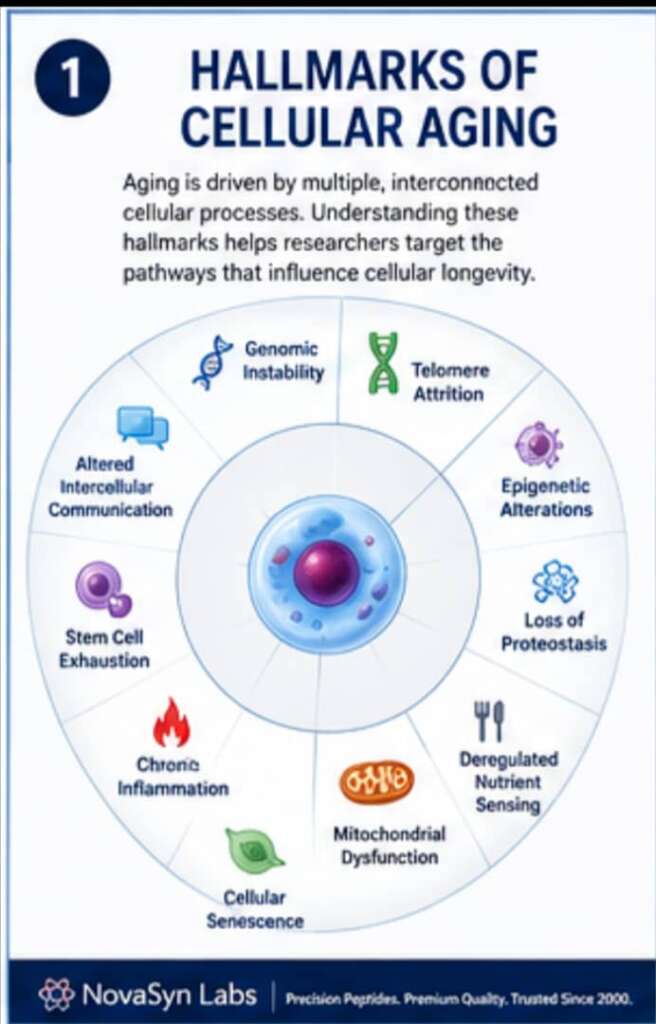
Researchers often describe aging as a network of interconnected biological processes rather than a single event. A change in one pathway can influence many others. For example:
| Aging Process | Potential Cellular Effect |
| Oxidative stress | Increased molecular damage from reactive oxygen species |
| Mitochondrial dysfunction | Reduced cellular energy production |
| Cellular senescence | Cells stop dividing and may release inflammatory signals |
| Impaired autophagy | Reduced clearance of damaged proteins and organelles |
| Telomere shortening | Limited cellular replication capacity |
| Stem cell exhaustion | Decreased tissue regeneration |
| Chronic inflammation | Altered cellular communication and repair |
| Dysregulated nutrient sensing | Changes in AMPK, mTOR, and related signaling pathways |
Understanding these mechanisms helps explain why researchers are studying multiple peptides that influence different aspects of cellular biology rather than expecting one peptide to affect every pathway.
The Major Cellular Aging Pathways
1. AMPK: The Cellular Energy Sensor
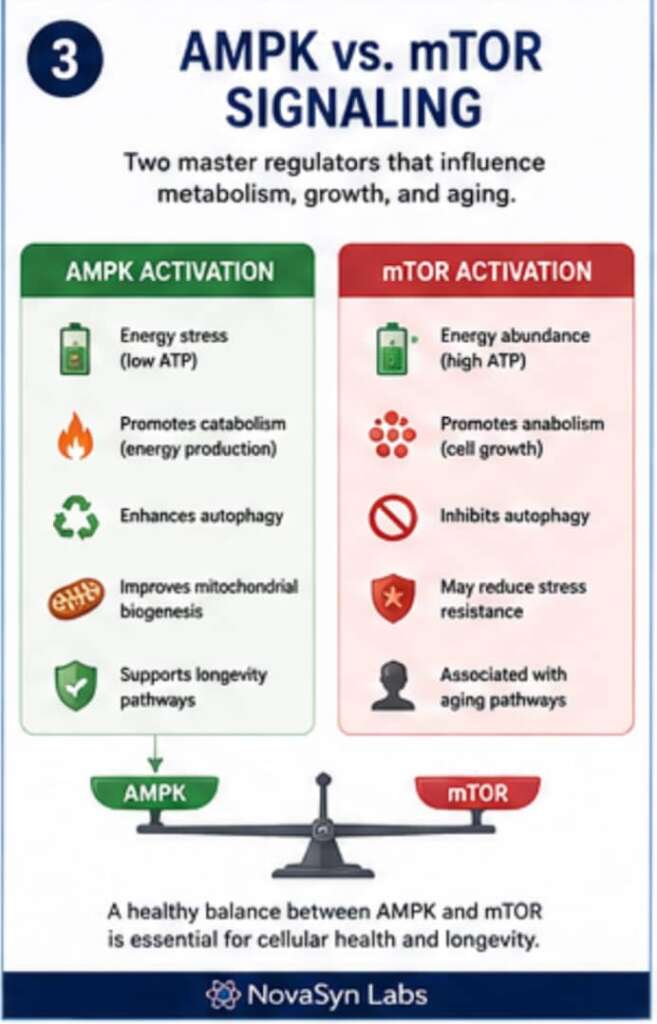
AMP-activated protein kinase (AMPK) acts as one of the cell’s primary energy regulators. When cellular energy levels decline, AMPK promotes pathways that help restore energy balance.
Laboratory studies suggest AMPK activation may:
- Support mitochondrial function
- Promote autophagy
- Improve cellular stress responses
- Influence metabolic regulation
Several longevity-focused research peptides are being investigated for potential interactions with AMPK-related signaling.
Key takeaway: AMPK helps cells adapt to low-energy conditions by shifting resources toward maintenance and repair.
2. mTOR: The Growth and Nutrient Sensor
The mechanistic target of rapamycin (mTOR) coordinates cell growth, protein synthesis, and nutrient availability. Appropriate mTOR activity is essential for normal cellular function, but persistent overactivation has been associated with age-related biological changes in experimental models.
Researchers study mTOR because it is closely linked to:
- Cell growth
- Protein synthesis
- Autophagy regulation
- Nutrient sensing
- Cellular metabolism
Many experimental longevity strategies aim to better understand how balanced mTOR signaling influences healthy cellular function.
Key takeaway: mTOR regulates growth, while AMPK generally supports maintenance during periods of limited energy.
3. Sirtuins (SIRT1)
Sirtuins are proteins involved in cellular stress resistance, DNA maintenance, metabolism, and mitochondrial function.
Experimental evidence suggests SIRT1 participates in:
- DNA repair processes
- Mitochondrial health
- Oxidative stress responses
- Metabolic regulation
- Cellular adaptation to stress
Because SIRT1 interacts with several other longevity-related pathways, it remains an active area of aging research.
4. FOXO Signaling
FOXO transcription factors help regulate genes involved in:
- Antioxidant defenses
- DNA repair
- Cell survival
- Cellular stress adaptation
- Longevity-associated processes
Certain investigational peptides, including FOXO4-DRI, are studied for their relationship to senescent cells and FOXO-related signaling.
5. Autophagy
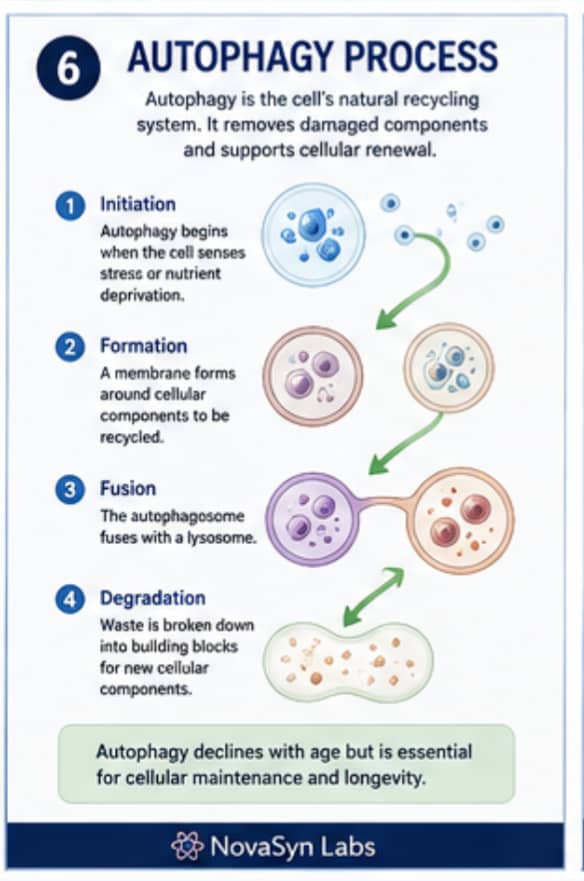
Autophagy is the cell’s internal recycling system. It breaks down damaged proteins and worn-out organelles so their components can be reused.
Efficient autophagy helps maintain cellular quality control by:
- Removing damaged mitochondria
- Clearing protein aggregates
- Recycling nutrients
- Supporting adaptation during stress
Reduced autophagy has been associated with aging in many experimental systems.
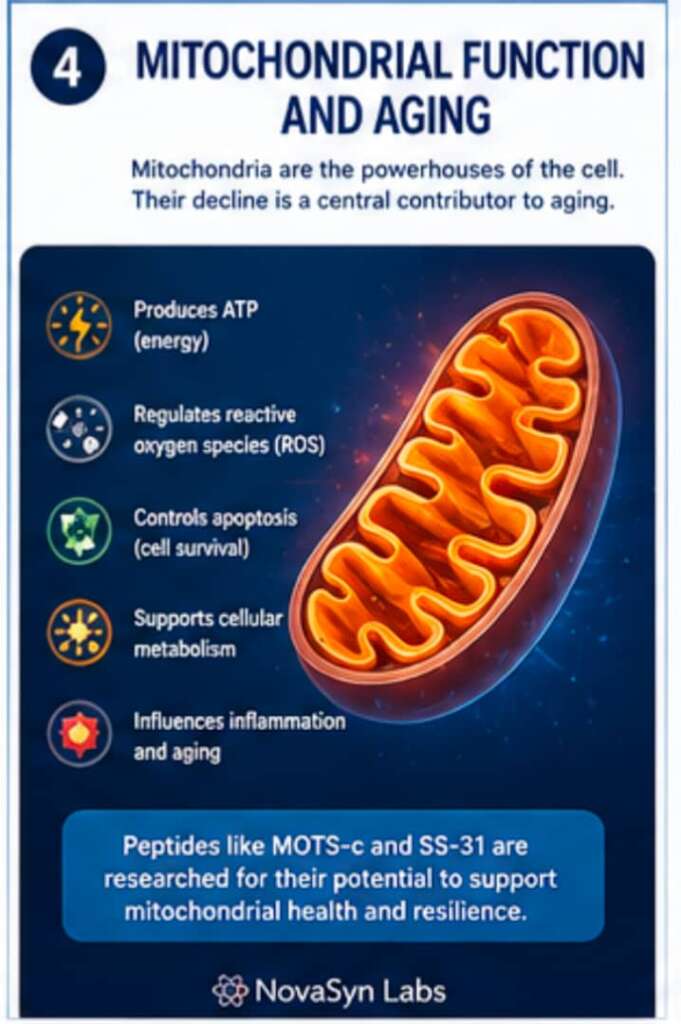
6. Mitochondrial Biogenesis
Mitochondria generate much of the energy required for cellular function. Aging is frequently associated with declining mitochondrial efficiency.
Researchers investigate mitochondrial biogenesis because it may influence:
- Energy production
- Exercise physiology
- Cellular resilience
- Oxidative stress
- Tissue function
Peptides such as MOTS-c and SS-31 have become important subjects in this area of laboratory research.
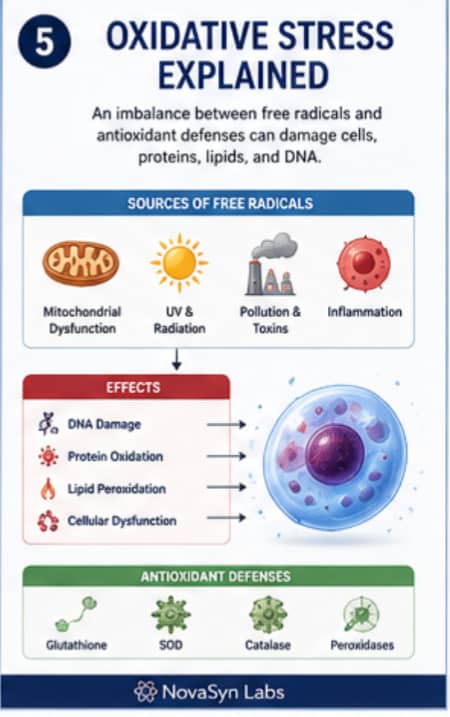
7. Oxidative Stress
Reactive oxygen species (ROS) are naturally produced during metabolism. Excessive ROS can contribute to oxidative stress, potentially affecting proteins, lipids, and DNA.
Laboratory investigations examine how cells:
- Neutralize ROS
- Repair oxidative damage
- Maintain antioxidant defenses
- Preserve mitochondrial integrity
Several research peptides are being explored for their interactions with these processes.
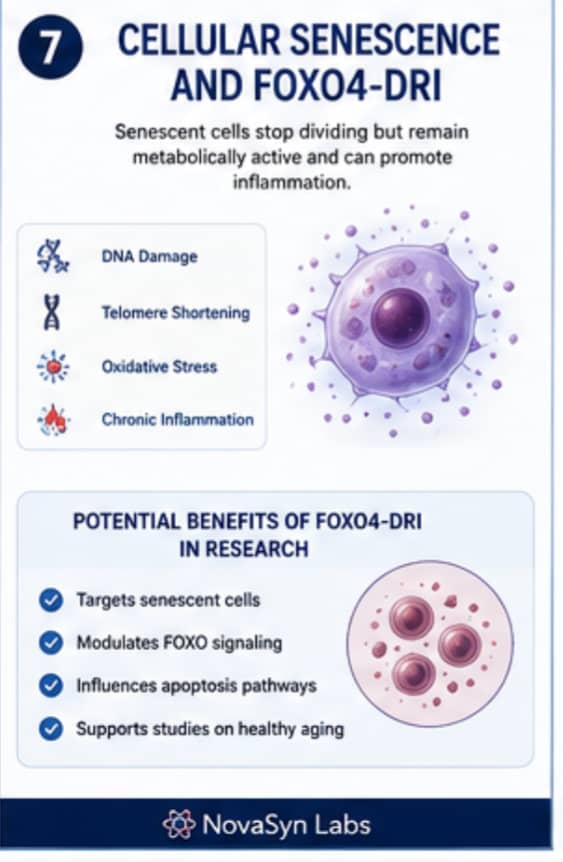
8. Cellular Senescence
Senescent cells remain metabolically active but no longer divide. They may also release signaling molecules collectively known as the senescence-associated secretory phenotype (SASP), which can influence neighboring cells.
Researchers are actively studying ways to better understand senescence and its role in aging biology.
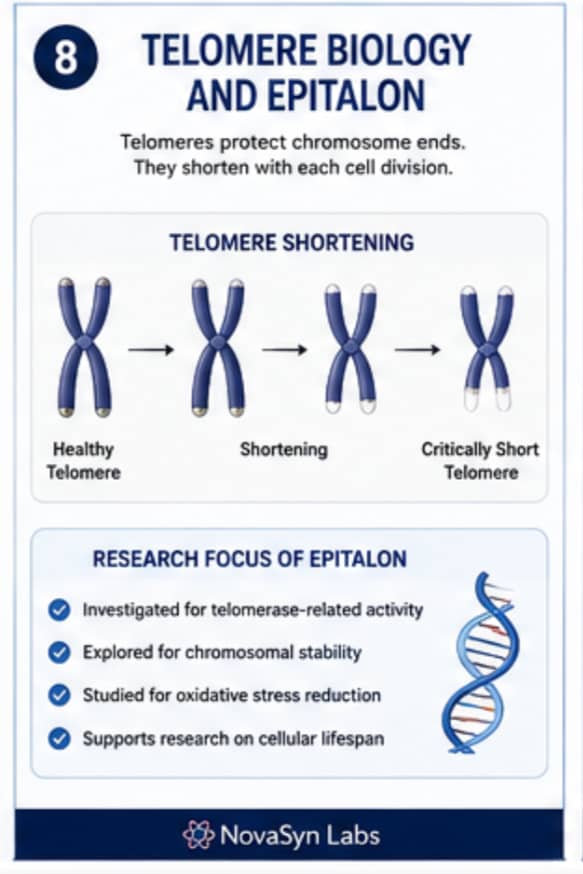
9. Telomeres
Telomeres are protective structures located at the ends of chromosomes. They shorten as cells divide, eventually limiting the cell’s ability to continue replicating.
Epitalon has attracted scientific attention because of research examining its relationship with telomere biology and cellular lifespan in experimental settings.
10. Stem Cell Signaling
Adult stem cells help maintain and repair tissues throughout life. With aging, stem cell activity may decline, reducing regenerative capacity.
Scientists are investigating how cellular signaling pathways influence stem cell behavior and tissue maintenance.
Why Researchers Are Increasingly Combining Peptides
One notable trend observed by NovaSyn Labs is the growing interest in combining research peptides that target different biological pathways.
Rather than focusing on a single mechanism, researchers increasingly design experiments that investigate complementary pathways—for example, pairing peptides associated with mitochondrial function alongside those studied for senescence or tissue repair. This systems-based approach reflects the understanding that cellular aging arises from multiple interconnected processes rather than a single cause.
The selection of peptide combinations depends on the specific research objective and experimental design, underscoring the importance of clearly defined protocols and standardized laboratory practices.
Comparison Table: Cellular Aging Pathways and Representative Research Peptides
| Cellular Pathway | Biological Role | Representative Peptides Under Investigation |
| AMPK | Energy sensing and metabolic adaptation | MOTS-c |
| mTOR | Nutrient sensing and growth regulation | Combination research approaches |
| SIRT1 | Stress response and DNA maintenance | GHK-Cu (indirect areas of investigation) |
| FOXO | Stress resistance and gene regulation | FOXO4-DRI |
| Autophagy | Cellular recycling and quality control | MOTS-c, SS-31 |
| Mitochondrial Function | Cellular energy production | MOTS-c, SS-31 |
| Oxidative Stress | Antioxidant defense | GHK-Cu, SS-31 |
| Cellular Senescence | Aging cell biology | FOXO4-DRI |
| Telomere Biology | Chromosome protection | Epitalon |
| Stem Cell Signaling | Tissue maintenance and regeneration | GHK-Cu, Thymosin Alpha-1 (areas of active research) |
Key Takeaways
- Cellular aging involves multiple interconnected biological pathways rather than a single mechanism.
- Different research peptides are investigated for different pathways; no single peptide targets every aspect of aging biology.
- Growing scientific interest is focused on mitochondrial health, senescence, autophagy, and metabolic regulation.
- High peptide purity, proper storage, and standardized laboratory protocols are essential for reproducible research outcomes.
- Understanding the biology behind these pathways provides the foundation for evaluating the peptides discussed in the following sections.
Research Peptides and Their Influence on Cellular Aging Pathways
Each peptide discussed below has become a subject of scientific interest because it interacts with different aspects of cellular biology. Importantly, these peptides are not interchangeable. They target distinct pathways and are investigated for different research purposes.
As the field of longevity research continues to evolve, scientists are increasingly selecting peptides based on their biological targets rather than expecting a single compound to influence every hallmark of aging.
Epitalon
Overview
Epitalon (also called Epithalon) is a synthetic tetrapeptide derived from epithalamin. It has become one of the most widely studied research peptides in longevity science due to experimental investigations into telomere biology, cellular lifespan, and age-related molecular processes.
Researchers are particularly interested in how Epitalon may influence telomerase activity and chromosomal stability under laboratory conditions.
Cellular Aging Pathways Under Investigation
Current research has explored Epitalon’s potential interactions with:
- Telomere maintenance
- Cellular senescence
- Oxidative stress responses
- DNA protection mechanisms
- Circadian rhythm regulation
- Healthy aging models
Rather than acting through a single mechanism, Epitalon is investigated as part of a broader network of biological pathways involved in cellular maintenance.
Why Researchers Study Telomeres
Every time a cell divides, telomeres gradually shorten.
When they become critically short, cells may:
- Stop dividing
- Enter senescence
- Undergo programmed cell death
- Lose regenerative capacity
Because of this relationship, telomeres remain one of the most actively investigated biomarkers in aging research.
Research Highlights
Experimental studies have investigated whether Epitalon may:
- Influence telomerase-related activity
- Support chromosomal stability
- Reduce markers associated with oxidative stress
- Affect cellular lifespan in laboratory models
These findings continue to be explored, and further research is required to clarify their significance across different biological systems.
Summary Table: Epitalon
| Characteristic | Details |
| Primary Focus | Telomere biology |
| Main Pathways | Telomeres, cellular senescence, oxidative stress |
| Research Interest | Healthy aging and cellular lifespan models |
| Laboratory Applications | Aging biology, molecular longevity research |
MOTS-c
Overview
MOTS-c is a mitochondrial-derived peptide encoded within mitochondrial DNA. Unlike many signaling peptides, it originates from the mitochondria themselves, making it a major focus of metabolic and longevity research.
Because mitochondria generate most of the cell’s usable energy, MOTS-c has become increasingly important in studies examining how energy metabolism changes with age.
NovaSyn Labs has observed growing demand for mitochondrial peptides as researchers investigate their role in cellular resilience and metabolic adaptation.
Cellular Pathways Under Investigation
Research suggests MOTS-c may interact with:
- AMPK signaling
- Mitochondrial biogenesis
- Cellular metabolism
- Oxidative stress
- Exercise physiology
- Insulin sensitivity pathways
These interconnected pathways influence how cells respond to changing energy demands.
Why Mitochondria Matter
Healthy mitochondria help maintain:
- ATP production
- Cellular repair
- Protein synthesis
- Stress adaptation
- Redox balance
As mitochondrial efficiency declines with age, researchers are investigating strategies that may help better understand these processes.
Research Highlights
Experimental studies have explored whether MOTS-c may:
- Activate AMPK-associated signaling
- Improve metabolic flexibility in laboratory models
- Influence mitochondrial function
- Support adaptive responses during cellular stress
These observations are an active area of research and should not be interpreted as established clinical outcomes.
Summary Table: MOTS-c
| Characteristics | Details |
| Primary Focus | Mitochondrial function |
| Main Pathways | AMPK, oxidative stress, mitochondrial biogenesis |
| Research Interest | Energy metabolism and healthy aging |
| Laboratory Applications | Metabolic and mitochondrial research |
SS-31 (Elamipretide)
Overview
SS-31, also known as Elamipretide, is a mitochondria-targeting peptide investigated for its interaction with cardiolipin, a phospholipid found within the inner mitochondrial membrane.
Maintaining cardiolipin integrity is considered important for normal mitochondrial function, making SS-31 an area of interest in studies of cellular energy production and oxidative stress.
Cellular Pathways Under Investigation
Researchers have examined SS-31 in relation to:
- Mitochondrial membrane stability
- ATP production
- Oxidative stress
- Reactive oxygen species regulation
- Mitophagy
- Cellular resilience
Why Cardiolipin Is Important
Cardiolipin helps stabilize protein complexes involved in oxidative phosphorylation.
Damage to cardiolipin has been associated with:
- Reduced ATP production
- Increased oxidative stress
- Mitochondrial dysfunction
- Altered cellular metabolism
Understanding these relationships is central to mitochondrial aging research.
Research Highlights
Laboratory investigations have explored whether SS-31 may:
- Support mitochondrial membrane integrity
- Reduce markers of oxidative stress
- Improve mitochondrial efficiency in experimental models
- Influence cellular bioenergetics
Further research is ongoing to clarify these findings across different systems.
Summary Table: SS-31
| Characteristics | Details |
| Primary Focus | Mitochondrial integrity |
| Main Pathways | Oxidative stress, mitophagy, mitochondrial function |
| Research Interest | Cellular energy production |
| Laboratory Applications | Mitochondrial biology |
GHK-Cu
Overview
GHK-Cu (glycyl-L-histidyl-L-lysine copper) is a naturally occurring copper-binding peptide that has been widely investigated for its effects on tissue biology, extracellular matrix remodeling, and cellular signaling.
In aging research, GHK-Cu has attracted attention because of its potential interactions with gene expression, oxidative stress responses, and regenerative pathways.
Cellular Aging Pathways Under Investigation
Current research has examined GHK-Cu in relation to:
- Oxidative stress
- Tissue remodeling
- Stem cell signaling
- Extracellular matrix maintenance
- Inflammatory signaling
- Wound-healing biology
Gene Expression Research
Several experimental studies suggest GHK-Cu may influence the expression of numerous genes involved in cellular maintenance and repair.
Researchers continue investigating how these changes may relate to broader biological processes associated with aging.
Research Highlights
Laboratory studies have explored whether GHK-Cu may:
- Influence antioxidant defenses
- Support extracellular matrix organization
- Affect collagen-related pathways
- Modulate cellular signaling involved in tissue maintenance
These findings remain subjects of ongoing scientific investigation.
Summary Table: GHK-Cu
| Characteristics | Details |
| Primary Focus | Tissue maintenance and cellular signaling |
| Main Pathways | Oxidative stress, stem cell signaling, extracellular matrix biology |
| Research Interest | Regenerative biology and healthy aging |
| Laboratory Applications | Tissue biology and cellular repair research |
Comparing the Four Peptides
| Peptide | Primary Biological Target | Main Aging Pathways | Research Focus |
| Epitalon | Telomere biology | Telomeres, senescence | Cellular lifespan research |
| MOTS-c | Mitochondria | AMPK, metabolism, oxidative stress | Energy regulation |
| SS-31 | Mitochondrial membrane | Oxidative stress, mitochondrial function | Cellular bioenergetics |
| GHK-Cu | Tissue signaling | Stem cell signaling, oxidative stress | Tissue maintenance and repair |
NovaSyn Labs Insight
Over more than two decades supplying laboratory-grade peptides, NovaSyn Labs has seen a clear shift in research priorities. Earlier studies often focused on individual peptide mechanisms. Today, many researchers investigate complementary peptide combinations that address multiple aging pathways simultaneously, such as mitochondrial function, oxidative stress, and cellular senescence.
This trend highlights the growing appreciation that aging is a systems-level process involving numerous interconnected biological networks rather than a single molecular target.
Key Takeaways
- Epitalon is primarily investigated for its relationship with telomere biology and cellular senescence.
- MOTS-c is a mitochondrial-derived peptide studied for energy sensing and metabolic adaptation through AMPK-related pathways.
- SS-31 targets mitochondrial function by interacting with cardiolipin, making it a significant focus of bioenergetics research.
- GHK-Cu is explored for its role in tissue maintenance, oxidative stress responses, and cellular signaling.
- Because these peptides influence different biological processes, researchers increasingly evaluate them within broader experimental frameworks rather than in isolation.
FOXO4-DRI
Overview
FOXO4-DRI is an investigational peptide that has attracted considerable attention in cellular senescence research. Unlike peptides that primarily support mitochondrial function or tissue remodeling, FOXO4-DRI is studied for its interaction with senescent cells—cells that have permanently stopped dividing but remain metabolically active.
As senescent cells accumulate, they may release pro-inflammatory signaling molecules collectively known as the senescence-associated secretory phenotype (SASP). Researchers are investigating how this process influences tissue function and aging.
Cellular Aging Pathways Under Investigation
FOXO4-DRI is primarily studied in relation to:
- Cellular senescence
- FOXO signaling
- Apoptosis regulation
- Cellular stress responses
- Healthy aging models
Why Cellular Senescence Matters
Cellular senescence serves as a protective response to damage by preventing potentially harmful cells from dividing. However, an excessive accumulation of senescent cells has been associated in experimental research with:
- Chronic inflammatory signaling
- Reduced tissue regeneration
- Altered cellular communication
- Age-related biological changes
Understanding these processes has made senescence one of the fastest-growing areas of longevity research.
Research Highlights
Experimental studies have investigated whether FOXO4-DRI may:
- Influence senescent cell biology
- Modify FOXO-related signaling
- Affect cellular stress pathways
- Support investigations into healthy aging mechanisms
These findings remain under active scientific investigation.
Summary Table: FOXO4-DRI
| Characteristics | Details |
| Primary Focus | Cellular senescence |
| Main Pathways | FOXO signaling, apoptosis, SASP |
| Research Interest | Senescence biology |
| Laboratory Applications | Healthy aging and cellular stress research |
BPC-157
Overview
BPC-157 is a synthetic peptide widely studied in laboratory settings for its interactions with tissue biology, angiogenesis-related signaling, and cellular repair mechanisms.
Although commonly associated with regenerative research, scientists are increasingly interested in how tissue repair processes relate to healthy aging.
Cellular Aging Pathways Under Investigation
Research has explored BPC-157 in relation to:
- Tissue regeneration
- Angiogenesis-related signaling
- Inflammatory responses
- Cellular repair
- Oxidative stress
Why Tissue Repair Matters in Aging
Healthy tissues rely on efficient repair systems to recover from everyday cellular stress.
As biological aging progresses, repair capacity may gradually decline, making tissue maintenance an important area of investigation.
Research Highlights
Experimental studies have examined whether BPC-157 may:
- Influence tissue repair processes
- Affect vascular signaling
- Support cellular resilience in laboratory models
- Interact with inflammatory pathways
Further investigation is required to understand these observations across different biological systems.
Summary Table: BPC-157
| Characteristics | Details |
| Primary Focus | Tissue repair biology |
| Main Pathways | Angiogenesis, oxidative stress, inflammatory signaling |
| Research Interest | Regenerative biology |
| Laboratory Applications | Tissue repair research |
ARA-290
Overview
ARA-290 is an erythropoietin-derived peptide engineered to selectively interact with tissue-protective signaling pathways while avoiding the hematopoietic effects associated with erythropoietin.
Researchers are investigating ARA-290 for its potential role in inflammation, cellular stress responses, and tissue protection.
Cellular Aging Pathways Under Investigation
Current research includes:
- Cellular stress responses
- Inflammatory signaling
- Tissue protection
- Oxidative stress
- Regenerative biology
Research Highlights
Laboratory investigations have explored whether ARA-290 may:
- Modulate inflammatory signaling
- Support tissue-protective pathways
- Reduce markers associated with cellular stress
- Influence regenerative processes in experimental models
Summary Table: ARA-290
| Characteristics | Details |
| Primary Focus | Tissue-protective signaling |
| Main Pathways | Inflammation, oxidative stress |
| Research Interest | Cellular resilience |
| Laboratory Applications | Tissue protection research |
Thymosin Alpha-1
Overview
Thymosin Alpha-1 is a naturally occurring peptide involved in immune system biology. While it is best known for its role in immune-related research, scientists are also studying how immune function influences healthy aging.
Immune regulation becomes increasingly important with age, as changes in immune signaling may contribute to chronic low-grade inflammation and reduced resilience.
Cellular Aging Pathways Under Investigation
Researchers have examined Thymosin Alpha-1 in relation to:
- Immune signaling
- Stem cell biology
- Cellular communication
- Inflammatory regulation
- Tissue maintenance
Research Highlights
Experimental studies have explored whether Thymosin Alpha-1 may:
- Influence immune cell signaling
- Support balanced inflammatory responses
- Interact with regenerative pathways
- Affect cellular communication involved in tissue maintenance
Summary Table: Thymosin Alpha-1
| Characteristics | Details |
| Primary Focus | Immune biology |
| Main Pathways | Stem cell signaling, inflammation |
| Research Interest | Healthy immune aging |
| Laboratory Applications | Immunology research |
KPV
Overview
KPV (Lys-Pro-Val) is a short tripeptide fragment derived from alpha-melanocyte-stimulating hormone (α-MSH). It has become an area of interest because of its interactions with inflammatory signaling pathways.
Since chronic inflammation is increasingly recognized as one of the hallmarks of aging, KPV has attracted growing attention in laboratory research.
Cellular Aging Pathways Under Investigation
Current research includes:
- Inflammatory signaling
- Oxidative stress
- Tissue biology
- Cellular communication
Research Highlights
Scientists continue investigating whether KPV may:
- Influence inflammatory pathways
- Support tissue homeostasis
- Affect oxidative stress responses
- Interact with cellular signaling involved in aging biology
Summary Table: KPV
| Characteristics | Details |
| Primary Focus | Inflammatory signaling |
| Main Pathways | Oxidative stress, tissue biology |
| Research Interest | Cellular homeostasis |
| Laboratory Applications | Inflammation research |
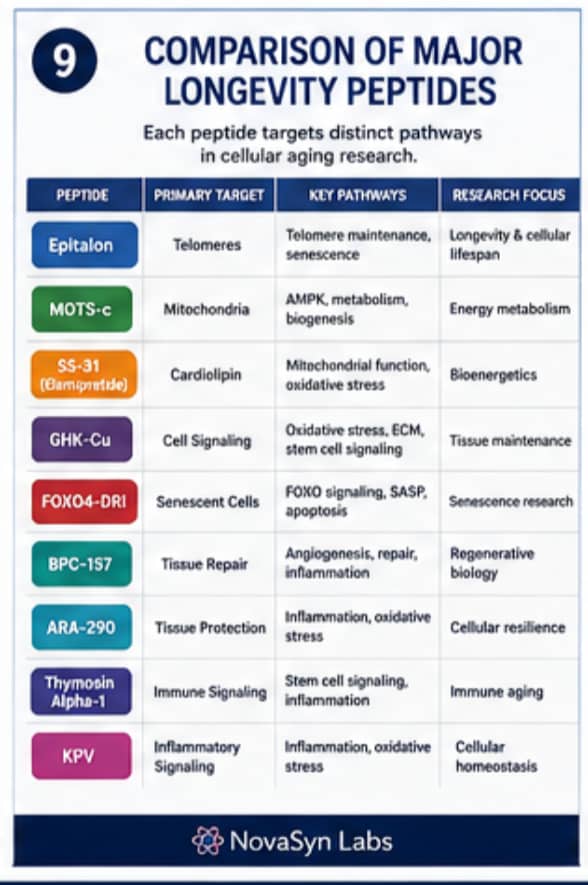
Comprehensive Comparison of Longevity Research Peptides
| Peptide | Primary Target | Main Aging Pathways | Primary Research Area |
| Epitalon | Telomeres | Cellular senescence | Longevity research |
| MOTS-c | Mitochondria | AMPK | Energy metabolism |
| SS-31 | Cardiolipin | Mitochondrial function | Bioenergetics |
| GHK-Cu | Cellular signaling | Oxidative stress | Tissue maintenance |
| FOXO4-DRI | Senescent cells | FOXO signaling | Senescence research |
| BPC-157 | Tissue repair | Angiogenesis | Regenerative biology |
| ARA-290 | Tissue protection | Cellular stress | Regenerative research |
| Thymosin Alpha-1 | Immune signaling | Stem cell biology | Immunology |
| KPV | Inflammatory signaling | Oxidative stress | Cellular homeostasis |
Why Peptide Combinations Are Receiving Greater Scientific Attention
One of the most significant trends observed by NovaSyn Labs is the growing interest in studying peptide combinations rather than individual compounds alone.
This shift reflects an evolving understanding of aging biology. Instead of viewing aging as the result of a single dysfunctional pathway, researchers increasingly recognize it as the outcome of interconnected processes involving metabolism, mitochondrial health, inflammation, senescence, and tissue repair.
Examples of complementary research approaches include:
| Research Objective | Peptides Commonly Investigated |
| Mitochondrial function + energy metabolism | MOTS-c + SS-31 |
| Cellular senescence + telomere biology | FOXO4-DRI + Epitalon |
| Tissue maintenance + inflammatory signaling | GHK-Cu + KPV |
| Regeneration + tissue protection | BPC-157 + ARA-290 |
The choice of peptides depends on the specific scientific question, experimental model, and study design. Combining peptides requires careful protocol development and should be interpreted within the context of controlled laboratory research.
Research Best Practices from NovaSyn Labs
Based on more than two decades of supplying laboratory-grade peptides, NovaSyn Labs has found that consistent experimental outcomes depend not only on peptide selection but also on rigorous handling procedures.
Key recommendations include:
- Select peptides according to clearly defined research objectives rather than popularity.
- Verify that each batch includes a Certificate of Analysis (COA).
- Use peptides with a purity of 98% or higher when consistency is critical.
- Maintain cold-chain conditions during transport and storage.
- Minimize repeated freeze-thaw cycles, which may affect peptide stability.
- Follow standardized laboratory protocols to improve reproducibility across experimental runs.
These practices can help reduce avoidable variability and support reliable research outcomes.
Key Takeaways
- Each peptide discussed in this guide is investigated for distinct cellular aging pathways and research applications.
- Cellular aging is multifactorial, making pathway-specific peptide selection an important consideration in experimental design.
- Combining peptides is an emerging area of research, reflecting the interconnected nature of aging biology.
- Peptide quality, storage, and standardized laboratory procedures remain essential for reproducible laboratory results.
Case Study: Improving Research Consistency Through High-Purity Peptides
One of the most important factors in peptide research is reproducibility. Even well-designed experiments can produce inconsistent results if peptide quality, handling, or storage varies between studies.
Background
A university-affiliated research laboratory approached NovaSyn Labs after experiencing inconsistent chromatography results across multiple experimental runs. Although the laboratory followed standardized analytical procedures, variability between peptide batches made it difficult to achieve the level of reproducibility required for ongoing research.
The Solution
The laboratory transitioned to NovaSyn Labs’ high-purity research peptides and implemented recommended handling procedures, including:
- Using peptides with ≥98% purity
- Reviewing the Certificate of Analysis (COA) for each batch
- Following cold-chain storage recommendations
- Minimizing unnecessary freeze-thaw cycles
- Maintaining standardized laboratory handling protocols
Outcome
Following these changes, the research team reported:
- Improved consistency in peptide handling
- More reproducible chromatography results between experimental runs
- Greater confidence in batch-to-batch consistency
- Reduced experimental variability related to peptide quality
To protect client confidentiality, the institution and specific research project remain anonymous.
Why This Matters
While experimental outcomes depend on many variables, this case illustrates the importance of peptide purity, quality control, and proper storage in supporting reliable laboratory research.
Common Misconceptions About Anti-Aging Peptides
Misconception 1: Peptides Reverse Aging Overnight
One of the most common misunderstandings is that research peptides provide an instant solution to biological aging.
In reality, aging involves numerous interconnected pathways. Current research investigates how peptides interact with specific biological processes under controlled laboratory conditions, not how they produce immediate or universal effects.
Misconception 2: Every Peptide Works the Same Way
Different peptides influence different biological pathways.
For example:
- Epitalon is primarily investigated in relation to telomere biology.
- MOTS-c focuses on mitochondrial metabolism.
- FOXO4-DRI is studied in cellular senescence research.
- GHK-Cu is investigated for tissue remodeling and cellular signaling.
Understanding these differences is essential when designing meaningful research.
Misconception 3: Purity Doesn’t Matter
Even small differences in peptide purity may influence laboratory reproducibility.
For this reason, experienced researchers typically look for:
- High-purity peptides
- Batch-specific COAs
- Reliable manufacturing standards
- Consistent handling and storage practices
Misconception 4: Cellular Aging Is Controlled by One Pathway
Current evidence suggests aging results from interactions among multiple biological systems, including:
- Mitochondrial function
- Oxidative stress
- Autophagy
- Senescence
- Nutrient sensing
- DNA maintenance
- Stem cell signaling
This complexity explains why many studies investigate several pathways simultaneously.
Best Practices for Peptide Storage and Handling
Maintaining peptide quality after delivery is just as important as selecting a reputable supplier.
NovaSyn Labs recommends the following practices to support research consistency:
| Best Practice | Why It Matters |
| Store peptides according to manufacturer recommendations | Helps maintain stability |
| Keep products within recommended temperature ranges | Reduces degradation risk |
| Minimize freeze-thaw cycles | Helps preserve peptide integrity |
| Review the COA before use | Confirms batch specifications |
| Label aliquots clearly | Improves laboratory organization |
| Follow standardized protocols | Supports reproducibility |
Proper handling cannot guarantee experimental outcomes, but it can reduce avoidable sources of variability.
Frequently Asked Questions
How do peptides influence cellular aging pathways?
Research peptides are investigated for their interactions with biological pathways involved in cellular maintenance, including mitochondrial function, oxidative stress, autophagy, cellular senescence, nutrient sensing, and telomere biology.
Which peptide is most commonly studied for telomeres?
Epitalon is among the best-known research peptides investigated for its relationship with telomere biology and telomerase-related mechanisms.
Which peptides target mitochondrial function?
MOTS-c and SS-31 (Elamipretide) are widely studied in laboratory research involving mitochondrial biology, energy metabolism, and oxidative stress.
Can one peptide influence every aging pathway?
No. Each peptide has unique biological targets, which is why researchers often investigate multiple pathways rather than relying on a single compound.
Why is peptide purity important?
Higher purity helps reduce variability and supports reproducibility in laboratory experiments. NovaSyn Labs provides peptides with 98% or higher purity, accompanied by a Certificate of Analysis for every batch.
Why should freeze-thaw cycles be minimized?
Repeated freeze-thaw cycles may affect peptide stability. Using aliquots and following recommended storage procedures can help maintain sample integrity.
Conclusion
Cellular aging is a dynamic process shaped by interconnected pathways that regulate energy production, stress responses, DNA maintenance, tissue repair, and cellular communication. Rather than focusing on a single mechanism, modern longevity research increasingly examines how these systems interact.
Research peptides such as Epitalon, MOTS-c, SS-31, GHK-Cu, FOXO4-DRI, BPC-157, ARA-290, Thymosin Alpha-1, and KPV are being investigated because each offers a distinct perspective on these biological processes. Collectively, they provide valuable tools for exploring the molecular foundations of aging in laboratory settings.
NovaSyn Labs has supported peptide researchers since 2000, supplying laboratory-grade peptides with ≥98% purity, batch-specific Certificates of Analysis, cold-chain shipping, and practical storage guidance. As interest in longevity science continues to expand, maintaining rigorous quality standards and standardized research protocols remains essential for generating reliable and reproducible results.
While many questions remain unanswered, ongoing research into cellular aging pathways continues to improve our understanding of the biology of aging and may help shape future scientific discoveries.
Related Articles
Selected References
- López-Otín C, et al. The Hallmarks of Aging. Cell. 2013.
- López-Otín C, et al. Hallmarks of Aging: An Expanding Universe. Cell. 2023.
- Kennedy BK, et al. Geroscience: Linking Aging to Chronic Disease. Cell. 2014.
- Campisi J. Cellular Senescence and Aging. Annual Review of Physiology.
- Harman D. The Free Radical Theory of Aging. Journal of Gerontology.
- Lee C, et al. Research on the mitochondrial-derived peptide MOTS-c.
- Szeto HH. Publications on SS-31 (Elamipretide) and mitochondrial bioenergetics.
- Khavinson V, et al. Publications investigating Epitalon and telomere biology.
- Pickart L. Publications on GHK-Cu and tissue biology.
- Kirkland JL, et al. Research on cellular senescence and senolytics.
- Madeo F, et al. Autophagy and Aging. Nature Reviews.
- Green DR. Research on mitochondrial biology and apoptosis.
- Additional peer-reviewed publications relevant to FOXO signaling, ARA-290, Thymosin Alpha-1, and KPV.
Final Takeaways
- Aging is driven by multiple interacting cellular pathways rather than a single biological mechanism.
- Research peptides are valuable tools for investigating these pathways in laboratory settings.
- Selecting peptides according to research objectives, maintaining high purity, and following proper handling procedures are fundamental to reproducible scientific research.
- As longevity science advances, multidisciplinary approaches combining mitochondrial biology, senescence, autophagy, immune regulation, and tissue maintenance are expected to remain key areas of investigation.
References

